Authorities in Europe have shut down a large crypto mixing service and seized a major amount of Bitcoin, according to law enforcement statements and media reports. The operation took down a key domain, seized servers, and captured $29 million in Bitcoin that investigators say was tied to illicit flows.
Europol And Swiss Authorities Act
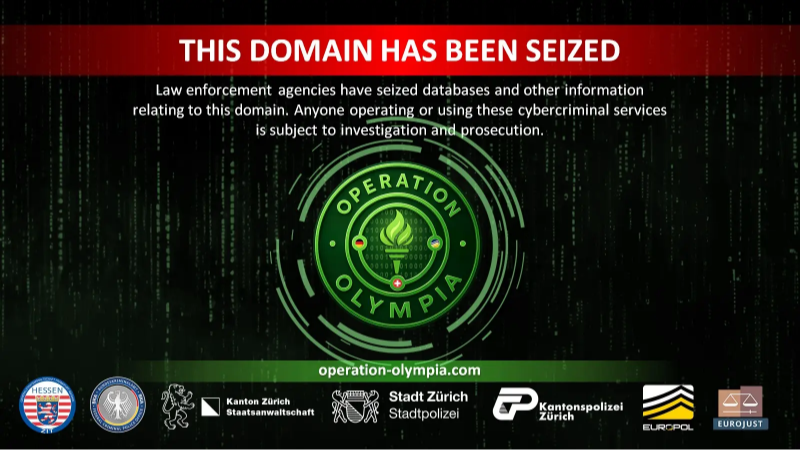
Based on reports , a joint action by Europol, Swiss, and German authorities took place between November 24 and November 28, 2025. During the operation, three servers located in Switzerland were seized, the domain Cryptomixer.io was disabled, and investigators recovered about 12 terabytes of data.
According to officials, the service had been used since 2016 and is linked to roughly €1.3 billion in laundered Bitcoin over that time. The cash figure seized in the takedown was reported at close to $30 million in Bitcoin.
How The Service Worked
Reports have disclosed that the site operated as a hybrid mixer . That means it accepted funds on the regular web and used techniques to pool, jumble, and redistribute coins so the origin of funds became hard to trace.
Criminals allegedly used the service to hide proceeds from activities such as drug sales, ransomware attacks, and fraud, according to investigators. By randomizing amounts and delaying payouts, mixers like this make the usual tracking tools much less effective.
Law enforcement officers say the 12 terabytes of material may hold leads that point to other illegal transfers and the people behind them. The data is now being examined, and it could make it easier to trace how money moved through the service.
It is not yet clear whether arrests have been made. Experts warn that even with seized material, tracing every tainted coin will be difficult because of how mixing services scramble transaction records.
Wider Impact On Crypto CrimeInvestigators argue the takedown is a major blow against online money laundering in Europe. Based on reports, crypto mixers of this size helped mask hundreds of millions, and in some cases billions, of dollars over years.
The removal of one large service may slow some criminal flows, but analysts caution that operators and users can migrate to other services or new tools. Criminals often adapt quickly, which means the broader problem may continue unless follow-up actions and legal steps are taken.
Featured image from Unsplash, chart from TradingView