Elon Musk
@elonmusk
RT
@Kristof_Poland: Now The Fountainhead – arguably the better book: 1. There are two ways to exist: create from your own vision, or live by reflecting and pleasing others – Rand calls them the first-handers and the second-handers. 2. Howard Roark is an architect who will only build what he actually believes in. He starves rather than compromise the design. The world resists him constantly. 3. Peter Keating is the opposite – talented enough, but builds his entire career on flattering clients, copying styles, and climbing socially. He succeeds, but remains hollow. 4. The villain, Ellsworth Toohey, is the system made conscious: he deliberately promotes mediocrity, knowing that a world of second-handers needs a critic to tell them what to think – and that gives him total power. 5. Roark’s crime, in the eyes of that world, isn’t failure – it’s that he doesn’t need their approval. That independence is experienced as an affront. 6. The novel’s argument:
@Kristof_Poland: Now The Fountainhead – arguably the better book: 1. There are two ways to exist: create from your own vision, or live by reflecting and pleasing others – Rand calls them the first-handers and the second-handers. 2. Howard Roark is an architect who will only build what he actually believes in. He starves rather than compromise the design. The world resists him constantly. 3. Peter Keating is the opposite – talented enough, but builds his entire career on flattering clients, copying styles, and climbing socially. He succeeds, but remains hollow. 4. The villain, Ellsworth Toohey, is the system made conscious: he deliberately promotes mediocrity, knowing that a world of second-handers needs a critic to tell them what to think – and that gives him total power. 5. Roark’s crime, in the eyes of that world, isn’t failure – it’s that he doesn’t need their approval. That independence is experienced as an affront. 6. The novel’s argument:
@Kristof_Poland
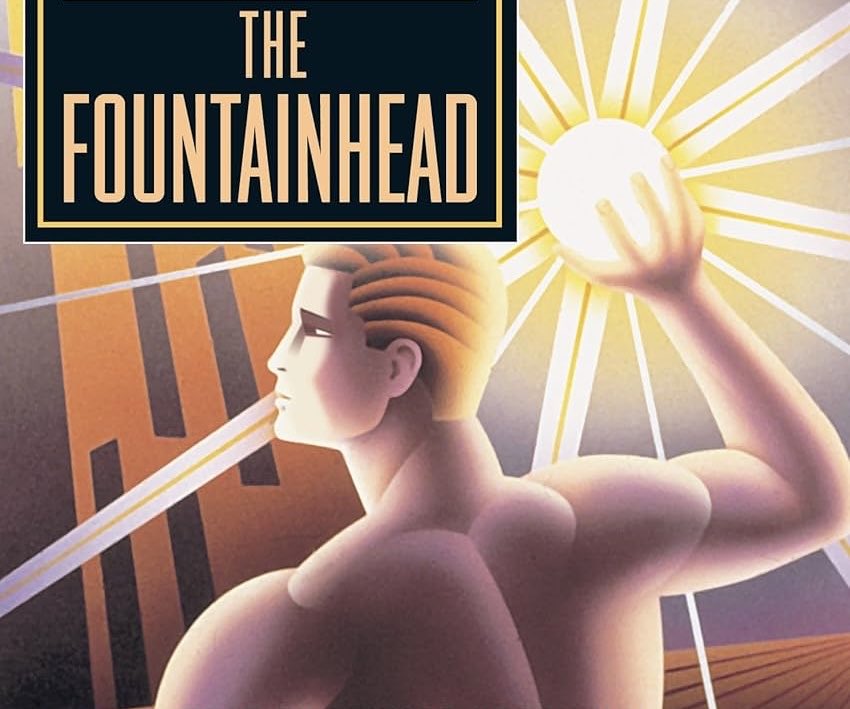
Now The Fountainhead – arguably the better book:
1. There are two ways to exist: create from your own vision, or live by reflecting and pleasing others – Rand calls them the first-handers and the second-handers.
2. Howard Roark is an architect who will only build what he actually believes in. He starves rather than compromise the design. The world resists him constantly.
3. Peter Keating is the opposite – talented enough, but builds his entire career on flattering clients, copying styles, and climbing socially. He succeeds, but remains hollow.
4. The villain, Ellsworth Toohey, is the system made conscious: he deliberately promotes mediocrity, knowing that a world of second-handers needs a critic to tell them what to think – and that gives him total power.
5. Roark’s crime, in the eyes of that world, isn’t failure – it’s that he doesn’t need their approval. That independence is experienced as an affront.
6. The novel’s argument: civilization’s actual source is the rare individual who originates rather than imitates. Everyone else — including people who despise him — lives downstream of what he creates.
7. The Fountainhead is Roark himself. Not a fountain – a fountainhead: the original source, where the water actually comes from. Before the river, before the tributaries, before anyone else draws from it. The title says: find that person, and you’ve found where everything real begins.